Salt and water before going on stage: the risks

Manipulations with water and salt in the final days before a performance have long been part of bodybuilding «folklore». The editorial team examined how the body reacts to such experiments, which complications are described in the medical literature, and why diuretics are a separate zone of heightened danger.
Why athletes manipulate salt and water
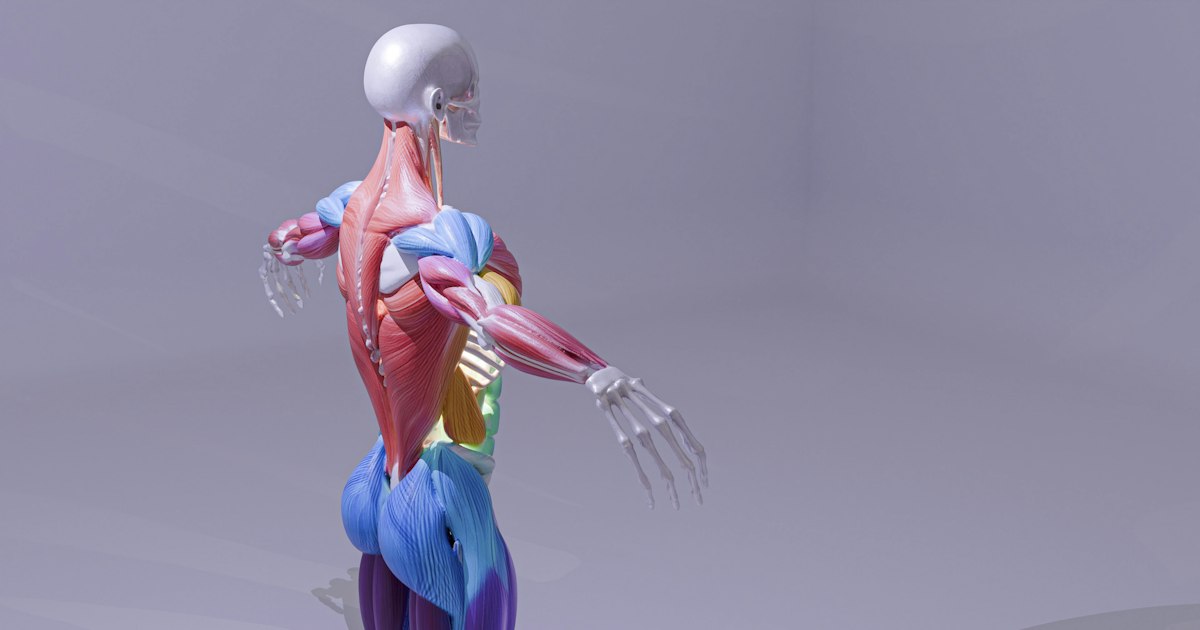
The final week before bodybuilding and fitness competitions — the so-called «peak week» — is traditionally surrounded by rituals. Among the most common are «water loading» followed by a sharp restriction of fluid, complete removal of salt from the diet a few days before going on stage, and, in extreme cases, taking diuretics. The goal is to remove water from under the skin so that the muscles look denser and more defined.
A survey of natural bodybuilders conducted by Chappell and Simper (2018) showed that manipulations with water and sodium are used by a significant proportion of participants, although the methods vary greatly and are often passed on «by word of mouth». The scientific basis for most such protocols is weak or absent.
The problem is that the body has powerful mechanisms for preserving water-salt balance. An attempt to «outwit» the kidneys and the hormonal system over a few days not infrequently produces the opposite effect: the muscles lose fullness, the skin becomes «flat», and well-being worsens precisely on the day of the performance.
In this article the editorial team focuses on the risks: what physiologically happens with a sharp restriction of water and salt, which complications are described in the medical literature, and why diuretics are a separate, far more dangerous story.
Physiology: why the body «fights» restriction
The body keeps the sodium concentration in plasma within a narrow corridor. When water intake sharply drops, the pituitary releases antidiuretic hormone (ADH, vasopressin), and the kidneys begin to concentrate urine and retain water. When sodium intake drops, the renin-angiotensin-aldosterone system is activated: aldosterone forces the kidneys to retain sodium and at the same time excrete potassium.
Here lies the paradox of peak week. A person removes salt in order to «get rid of water», and the body responds by raising aldosterone and retaining sodium. If on the last day salt is brought back or the athlete eats salty food, part of the fluid may be quickly retained — and not necessarily where one would want.
Water loading followed by restriction is based on the idea that the kidneys will «get used» to excreting a lot of fluid and will continue to do so after drinking is cut back. Some short-term effect is indeed possible, but it is accompanied by a loss of electrolytes in urine, and combined with a low salt content in the diet — a risk of their deficiency.
It is also important to understand that more than half the volume of muscle tissue is water. Excessive dehydration reduces not only subcutaneous fluid but also intracellular fluid, so the muscles lose the volume and «fullness» for the sake of which the whole thing was undertaken.

The main risks to health
Even without drugs, the combination of a low-calorie diet, fluid restriction, and salt avoidance strains the cardiovascular system and the kidneys. An athlete in the final stage of preparation usually has minimal glycogen stores, a low percentage of fat, and chronic fatigue, so compensatory capabilities are reduced.
| Condition | What happens | Warning signs |
|---|---|---|
| Dehydration | Decrease in plasma volume, thickening of the blood | Dizziness on standing, tachycardia, dark urine |
| Hypokalemia | Loss of potassium in urine, especially with diuretics | Weakness, cramps, interruptions in the heart's work |
| Hyponatremia | Excess of water relative to sodium (e.g. with loading without salt) | Headache, nausea, confusion, seizures |
| Acute kidney injury | Decrease in renal blood flow with pronounced fluid deficit | Little urine, edema, weakness |
| Fainting on stage | Orthostatic hypotension, especially during posing and straining | «Blacking out», nausea |
Hyponatremia deserves separate attention. The consensus on exercise-associated hyponatremia (Hew-Butler et al., 2015) emphasizes that the main cause is excessive water consumption relative to losses. The scenario in which an athlete drinks large volumes of fluid and at the same time removes salt theoretically raises this risk. Severe hyponatremia can cause cerebral edema and is life-threatening.
Disturbances in potassium and magnesium levels are dangerous for the heart. Even moderate hypokalemia against a background of energy deficit and high adrenaline before a performance can provoke arrhythmias. That is why electrolyte disturbances often figure in descriptions of severe complications in bodybuilders.
It is also significant that all these conditions develop over hours to days, and an athlete under stress before a competition tends to attribute symptoms to nerves. Cramps in the legs, palpitations, and dizziness are not «a normal part of peak week» but a signal to stop.
Diuretics: a separate category of danger
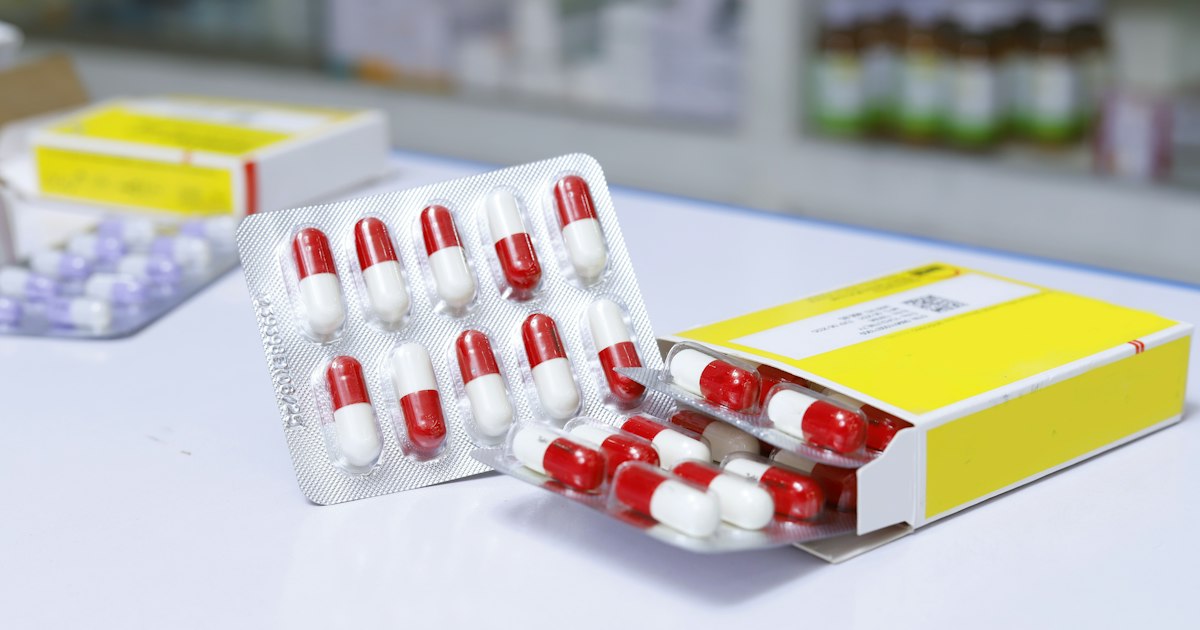
Diuretic drugs (loop, thiazide, potassium-sparing) are prescription medications for treating heart failure, hypertension, and edema. In sport they are included in section S5 of the WADA Prohibited List as «diuretics and masking agents», that is, prohibited in all sports and at all times.
The danger of diuretics in the context of peak week is that they excrete fluid and electrolytes much faster and in larger volumes than an «ordinary» body is capable of. Loop diuretics can cause pronounced loss of potassium, sodium, and magnesium, while potassium-sparing ones, on the contrary, cause a dangerous rise in potassium. Both scenarios threaten arrhythmia.
The medical and sports press has described cases of severe complications and deaths of bodybuilders in which diuretics figured against a background of harsh fluid restriction. The editorial team does not provide any regimens for their use and stresses: self-administration of these drugs for cosmetic purposes is a serious risk to life.
In addition, diuretics cause a sharp drop in plasma volume, which, combined with posing (which raises intrathoracic pressure) and the heat under the spotlights, creates conditions for fainting and falling on stage.
- prohibited by WADA at all times (section S5);
- can cause both a deficiency and an excess of potassium;
- increase the risk of acute kidney injury;
- do not provide a guaranteed aesthetic effect.
What evidence-based recommendations say
The review by Helms, Aragon, and Fitschen (2014) on the preparation of natural bodybuilders concluded that aggressive manipulations with water and electrolytes lack a sufficient evidence base and carry risks, so the authors advised caution. A later review by Escalante and colleagues (2021), devoted specifically to peak week, emphasizes that the main role is played by the condition achieved by the time of the performance and by carbohydrate management, rather than extreme fluid manipulations.
The evidence-based approach holds that the athlete does the main work on definition over the weeks and months of preparation. If a week before the competition the fat percentage is still too high, no tricks with water will fix this — they will only add risk.
Moderate adjustments — for example, keeping the athlete's usual salt level without sharp swings, controlling fiber to reduce bloating, rehearsing a «trial» peak week in advance — are considered far safer. The key word here is «usual»: sharp changes in either direction give the least predictable result.
Any plans to restrict fluid should be discussed with a doctor by athletes with diseases of the heart or kidneys or those taking medications that affect electrolytes. Before competition it is useful to have the results of fresh electrolyte and creatinine tests.
And finally, an important organizational point: an athlete should not be alone on the day of the competition. A companion who knows the signs of dehydration and hyponatremia can call for medical help in time.
Editorial conclusions
A sharp restriction of water and salt before going on stage triggers the body's compensatory reactions, which often nullify the expected aesthetic effect. Instead, the risk of dehydration, electrolyte disturbances, arrhythmias, and fainting rises.
Diuretics are prescription drugs prohibited by WADA, and their cosmetic use is associated with severe complications up to fatal cases.
Evidence-based reviews advise relying on quality preparation and a moderate peak week without extreme manipulations.
Related topics on our blog: carbohydrate loading before competition, electrolytes in sport, and nutrition during a cut.
References
- Chappell AJ, Simper TN. Nutritional peak week and competition day strategies of competitive natural bodybuilders. Sports (Basel). 2018;6(4):126.
- Escalante G, Stevenson SW, Barakat C, Aragon AA, Schoenfeld BJ. Peak week recommendations for bodybuilders: an evidence based approach. BMC Sports Sci Med Rehabil. 2021;13:68.
- Helms ER, Aragon AA, Fitschen PJ. Evidence-based recommendations for natural bodybuilding contest preparation: nutrition and supplementation. J Int Soc Sports Nutr. 2014;11:20.
- Hew-Butler T, Rosner MH, Fowkes-Godek S, et al. Statement of the Third International Exercise-Associated Hyponatremia Consensus Development Conference, Carlsbad, California, 2015. Clin J Sport Med. 2015;25(4):303–320.
- Sterns RH. Disorders of plasma sodium — causes, consequences, and correction. N Engl J Med. 2015;372(1):55–65.
- World Anti-Doping Agency. The World Anti-Doping Code: International Standard — Prohibited List (section S5: Diuretics and masking agents). Montreal: WADA; чинна редакція.
Andriy Melnyk
A strength-sports coach and author of programs for beginner and intermediate levels. Writes about training planning.